
Your Health,
Family Included
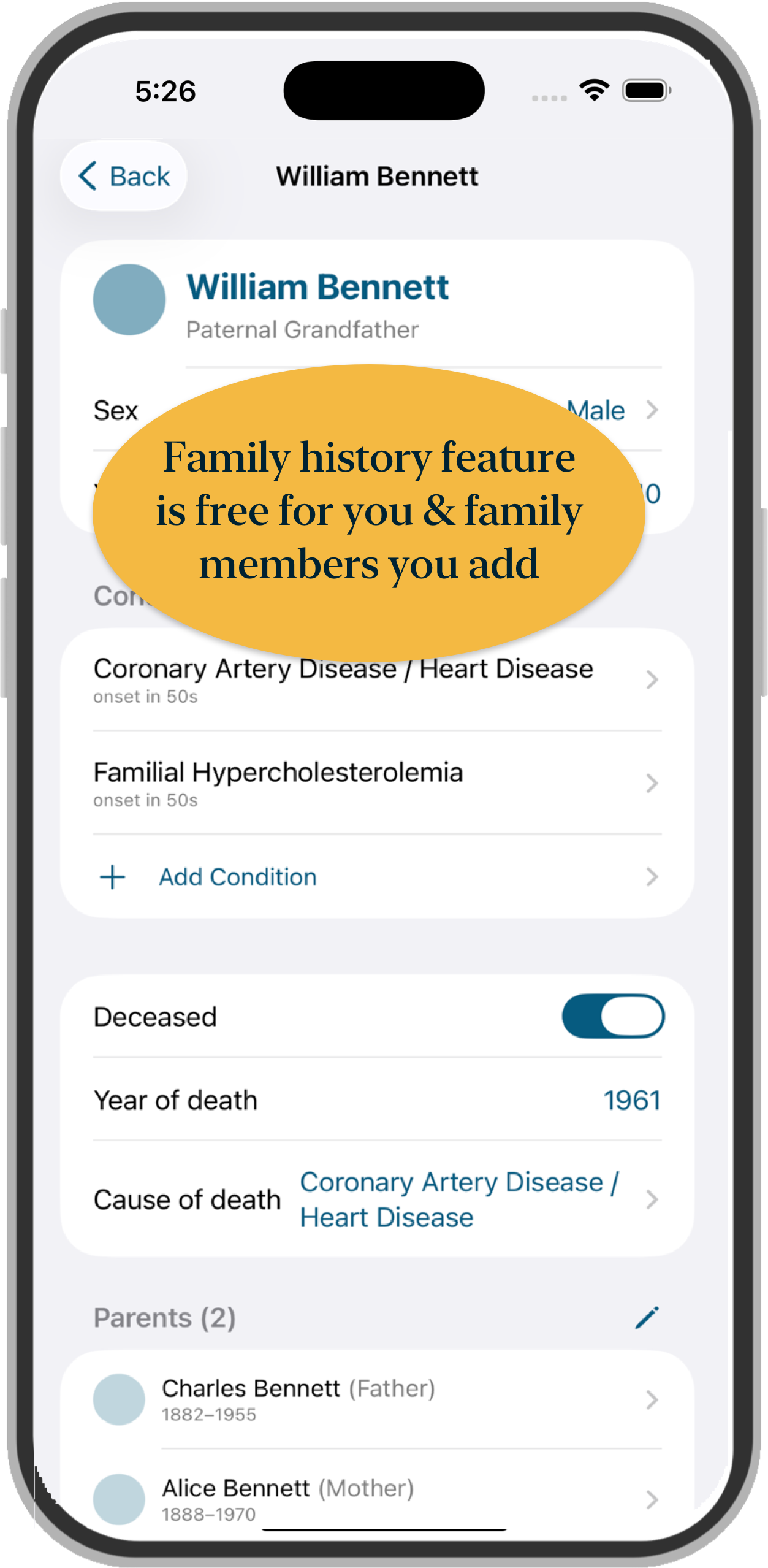
HealthScout® answers your health questions using your own records, and now your whole family's history too. Family history is free for you and everyone you add.

T O P F E A T U R E S
Family Health History
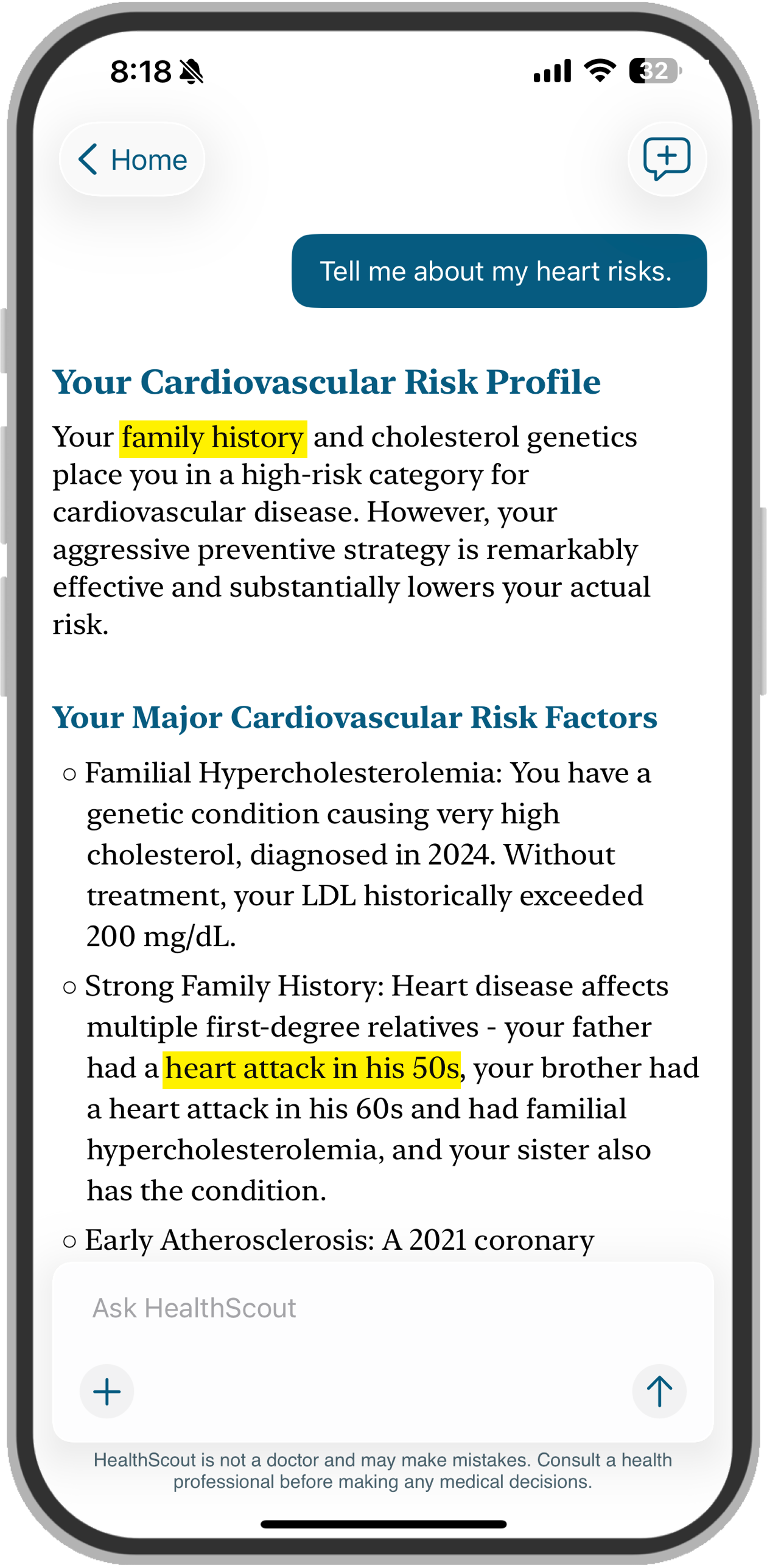
If a doctor doesn't know a disease runs in your family, they'll treat you like it doesn't. Family Health History helps you build a thorough and accurate health history for yourself, and for your kids.
Treatment Discovery
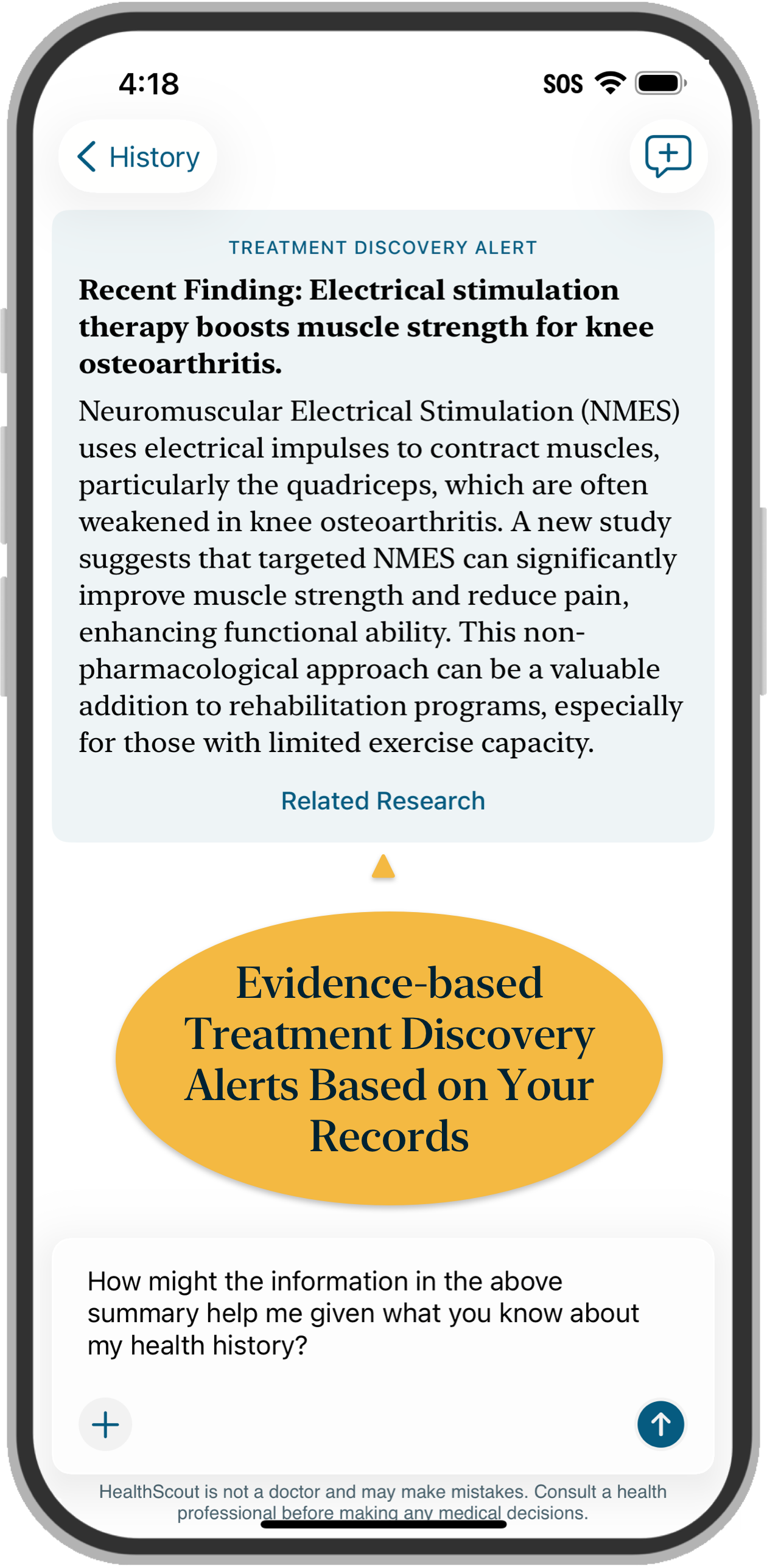
New treatments arrive faster than anyone can follow. HealthScout watches for the ones that match your conditions and tells you when something appears. You don't have to ask.
Family History Catches
What Standard Screening Misses

Age at his heart attack
Bob Harper ate clean, never smoked, and was a personal trainer to the stars. His doctor thought he had vertigo and then he suffered a heart attack at 51.

Lifetime cancer risk
Olivia Munn's mammogram was clear and her genetic test was negative. But a risk assessment tool that included her family history still found her lifetime cancer risk to be 37%.

Age cancer screening started
William Nijjer's grandfather died at 62 in 1972 and the family never talked about why. When William's father got bowel cancer at 48, a test found Lynch syndrome. William tested positive too, and started colonoscopies at 26.
Treatment Discovery
My Specialist Hadn’t Heard of It
By the time I built HealthScout I had already researched my options and chosen PRP (platelet rich plasma) injections to address my knee osteoarthritis pain. PRP is a relatively unknown treatment that isn’t covered by insurance, so I was pretty sure I knew the landscape well.
Then HealthScout started sending a new Treatment Discovery Alert every few days. The first few covered PRP and stem cell therapy, which told me it was pulling the right material.
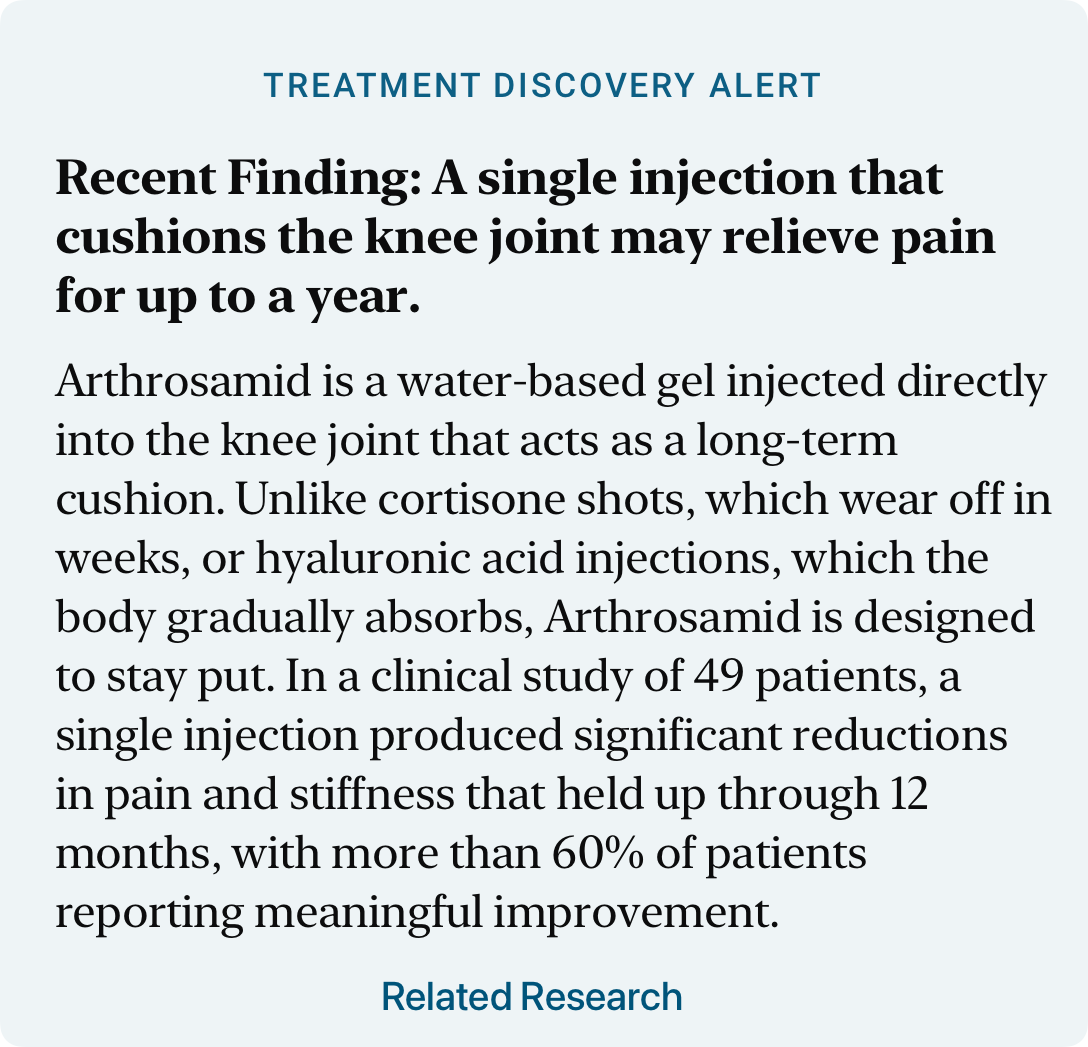
A few days later it surfaced treatments I had never heard of: genicular nerve radiofrequency ablation, low-intensity pulsed ultrasound, and Arthrosamid injections.
I Brought the List to My Orthopedic Specialist
When I brought the list to my orthopedic specialist, he waved off a few (“I wouldn’t do that”). At Arthrosamid he stopped, and said he wanted to look into it. Arthrosamid is approved in Europe and Canada but not yet here, so a US specialist not knowing it makes sense.
But HealthScout knew. I'm still weighing it, and yes, I've looked up what a trip to Canada for it might cost. A chatbot would never have told me about Arthrosamid because I'd have had to ask about it first. HealthScout brought it to me off my own health history, without a question.
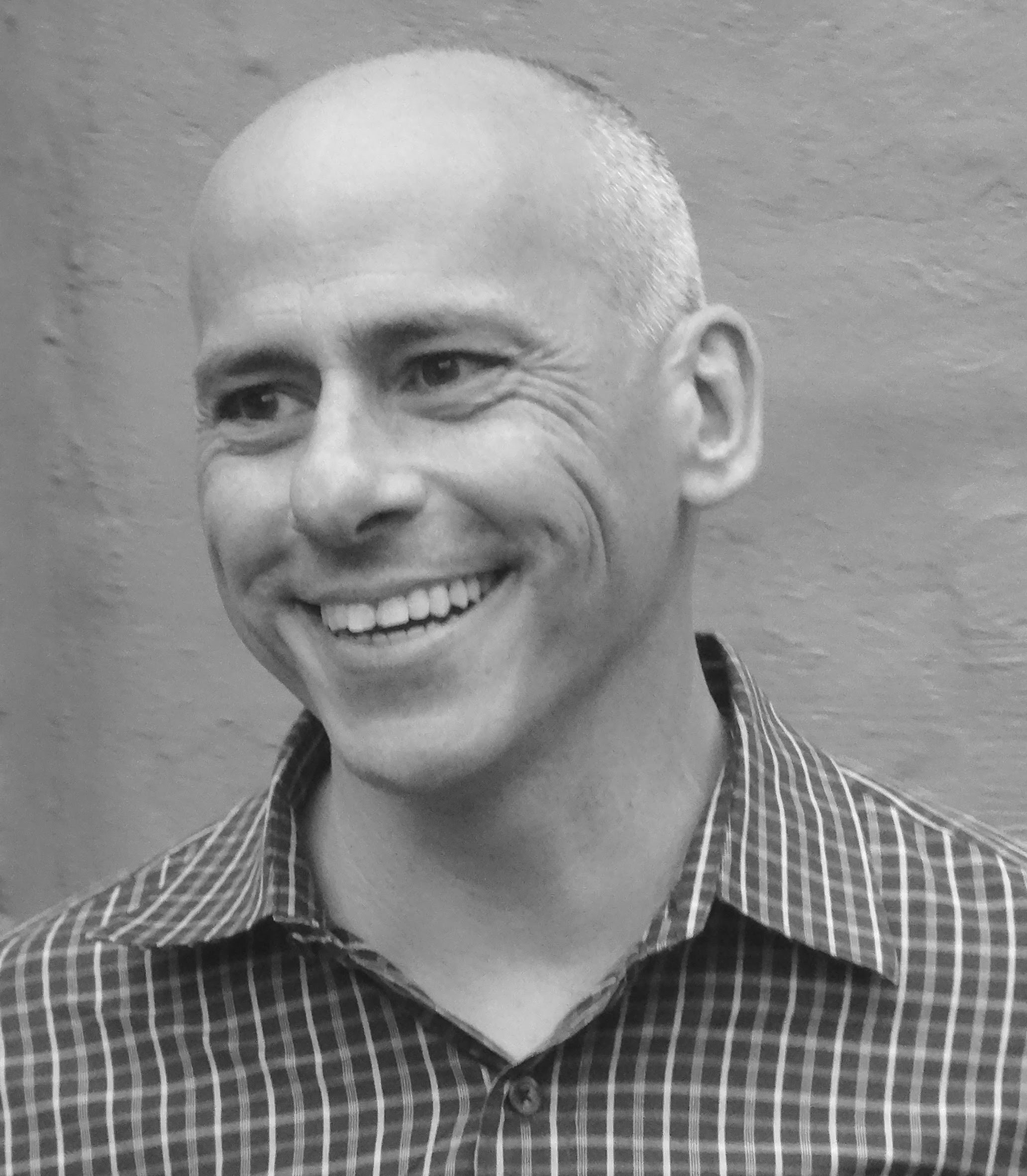
Joe Sipher
HealthScout Founder
Family Health History
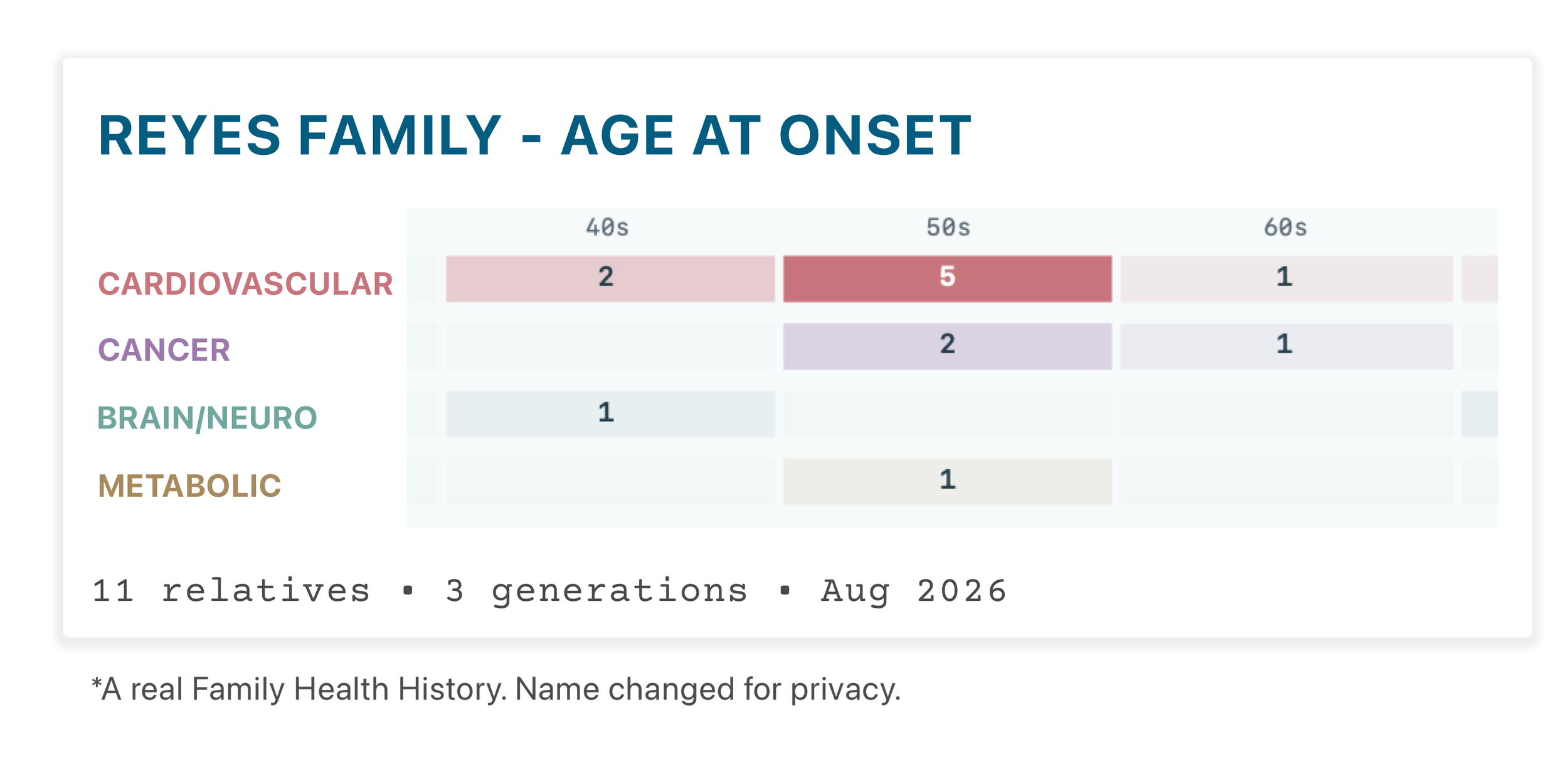
Seven people in this family had early onset heart disease
While it’s not clear that any single person in the Reyes family knew about all seven cases (two in their 40s and five in their 50s), they pieced it together using an early version of HealthScout’s Family Health History feature.
Now all the descendants of this family might have their cholesterol checked a bit earlier, perhaps ask their doctor about a coronary artery calcium (CAC) scan, or at a minimum think harder about eating another donut or skipping the gym. Because if you know about your family health history, you can do something about it.

Your Family History Can Save a Loved One’s Life
Family history is one of the strongest predictors for many chronic or morbid conditions like heart disease, many cancers, and Alzheimer’s. For something so important, it’s generally poorly maintained by both patients and healthcare providers.
One review of primary care records found that about two-thirds of charts had family-health-history documentation insufficient to assess risk for the six most common hereditary diseases. So the truly life-saving job falls to you, and HealthScout gives your family one place to do it together.
Shown Only to Blood Relatives
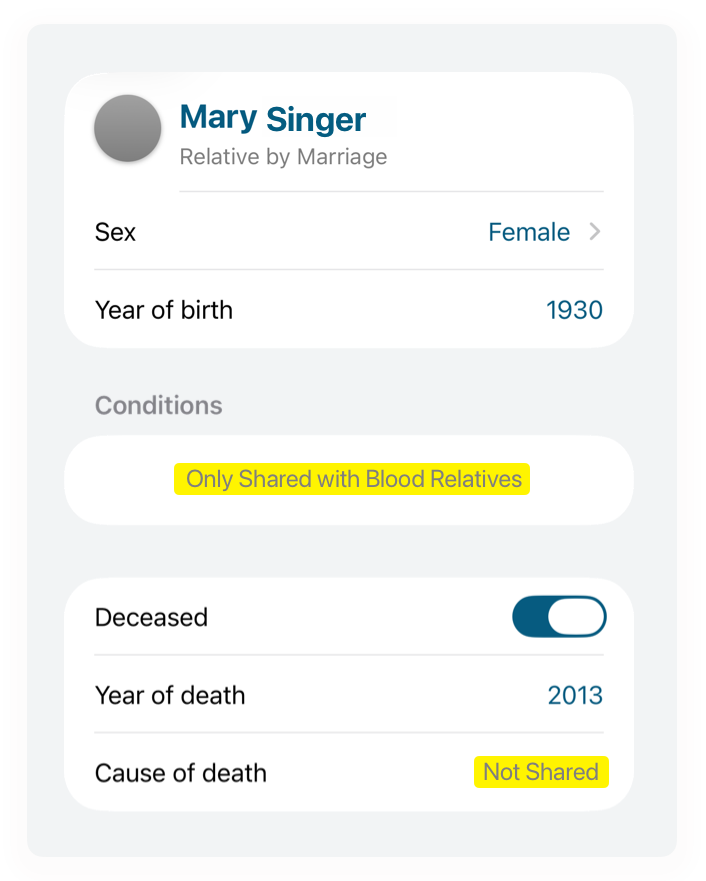
How does HealthScout promote sharing within the family without a complicated permission architecture, or letting looky-loos snoop for info? With patent-pending technology, conditions and cause of death are shown only to blood relatives, the people who actually need to know about heritable risk.
Family history is encrypted and lives in your family's iCloud, not on HealthScout servers. And if you don’t want a condition shared with the family, don’t add it.
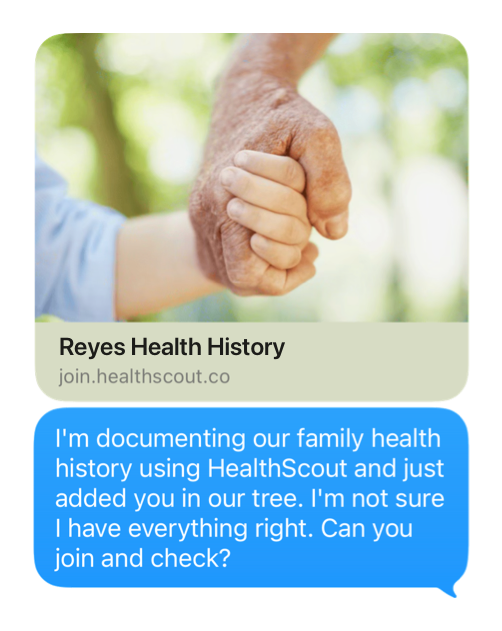
Inviting your family with a tap
Anybody can invite any iOS user by just tapping the invite button on their profile. You can share the customizable invite via iMessage, Email, WhatsApp — whatever tool you use to communicate with that person.
And if your relative doesn’t have iOS or even a phone, that’s OK too. You can add their information for them as long as you’re a blood relative.
The more accurate the information added, the safer it is for everyone in your family. And the family health history feature is free for you and everyone you add.
Your Records Corrected
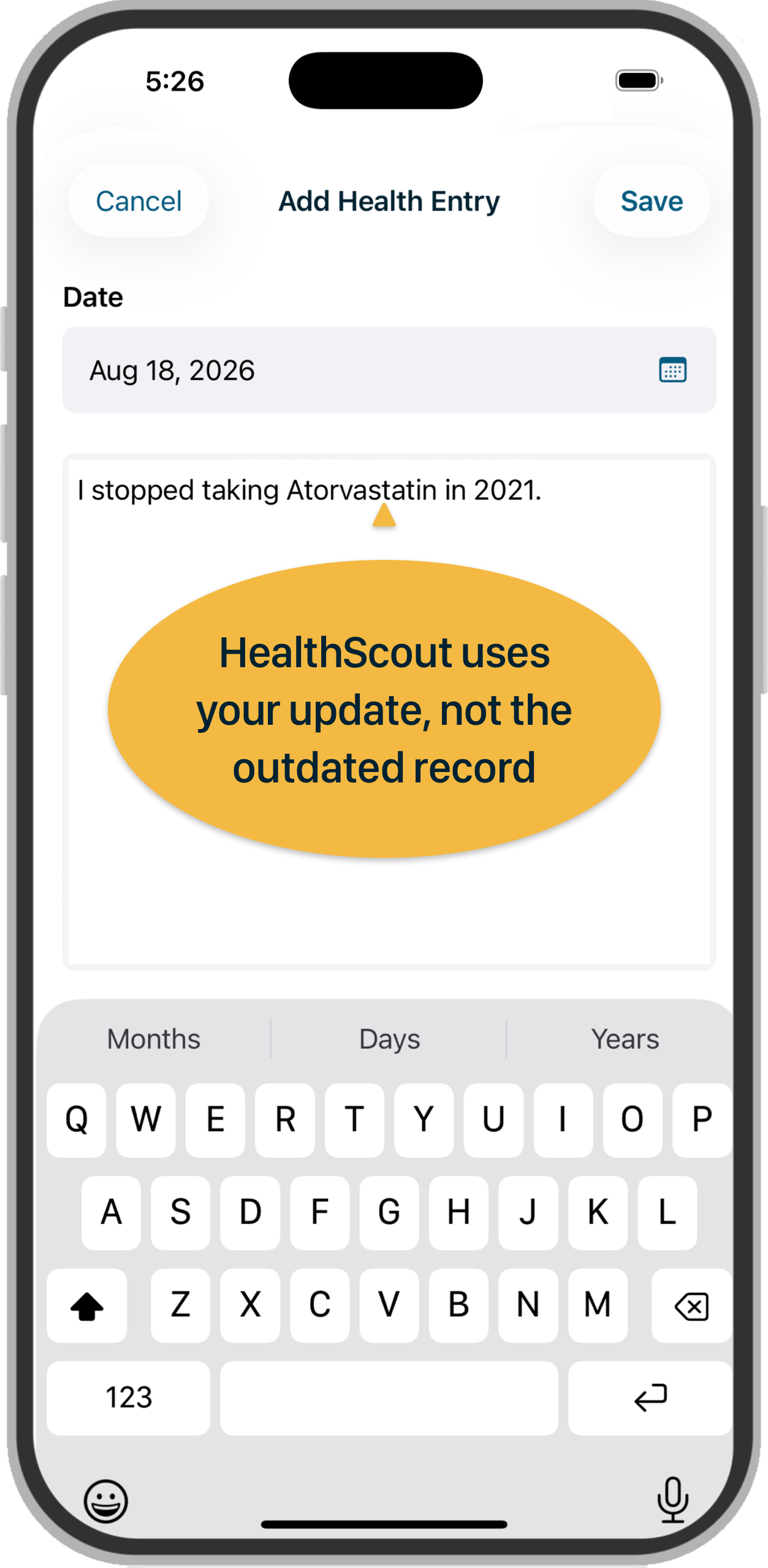
“You still taking 800mg ibuprofen?” asks the intake nurse. That was a post-surgery prescription from years ago. But that’s what’s in the medical record, and it’s way too hard to get it fixed.
With HealthScout’s My Added Records, you are in control of your record, and it’s the corrected one that your answers are based on.
You can easily add health information like your weight or home blood pressure results by just taking a picture and adding it to your My Added Records.
Your Data Stays Private
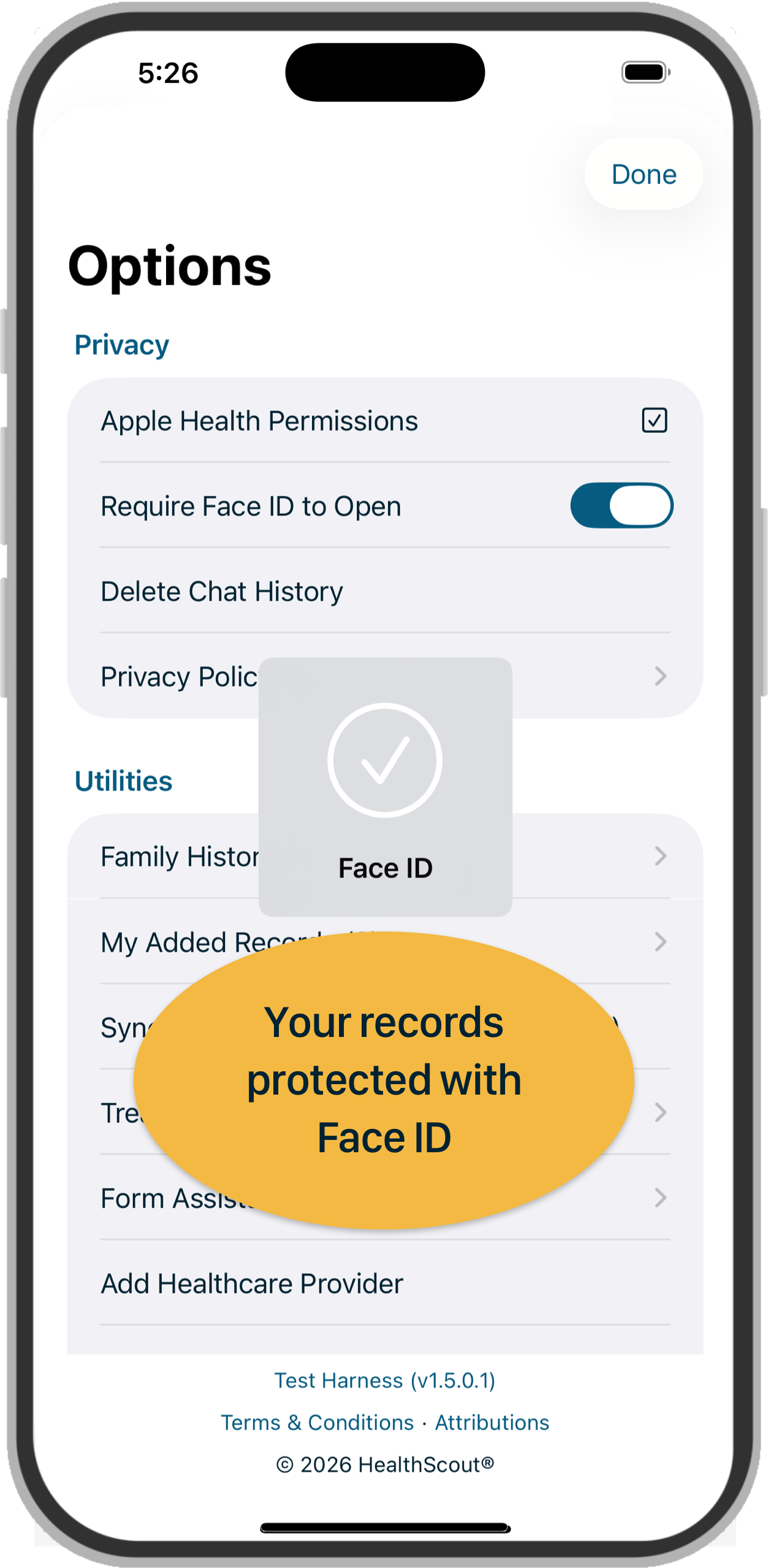
HealthScout doesn’t create any account or even ask for your email address. Your linked healthcare records and records entered via My Added Records are stored only on your device or optionally on your personal iCloud.
Family health history details like conditions and cause of death live on your family's personal iCloud and are shown only to blood relatives.
See Privacy Policy for all the details
Real HealthScout Users

It Answers at 11pm
Melinda* is a preschool teacher who had a seizure at work last fall. One of her students found her on the floor. She woke up in the hospital not knowing she'd just had brain surgery. The first biopsy was inconclusive. The second couldn't be scheduled for months. During that wait, a friend installed HealthScout on her phone. Continue reading

The Treatment He Never Heard about
Mark* was concerned about his high Lp(a) — an uncommon but dangerous marker for heart health. When he asked his cardiologist what else he could do besides taking statins, the doctor said to just keep taking them and monitor the numbers.
Continue reading

Connections Her Doctors Missed
Over five years, Lilo* bounced between specialists trying to solve multiple health issues: unexplained weight gain during menopause, chronic digestive problems, high cholesterol, concerning liver enzymes, and blood clots requiring two surgeries.
Continue reading
*Names changed to protect privacy
Download
iOS 17.6 or higher (optimized for iPhone).
Currently HealthScout is only available to US users.
Optional: HealthScout works best if you can connect your healthcare provider’s portal. Check the list of more than 10,000 supported providers.
Requirements
If you’re not on iOS or in the US, please let us know so we can gauge interest as we expand HealthScout.